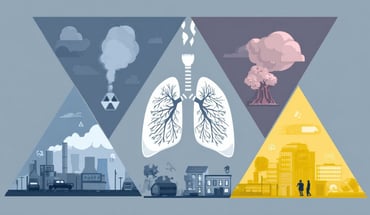

Lung cancer is the leading cause of all cancer-related deaths in the United States, taking more lives annually than breast, prostate, and colorectal cancers combined! Although non-smokers can develop the disease, tobacco use is by far the most common cause of lung cancer.
Unfortunately, not everyone shows noticeable symptoms. Lung cancer is frequently found during scans for unrelated health concerns, or only after noticeable symptoms appear—often when the disease has already reached an advanced stage. Thankfully, lung cancer screening is now available for those who are at high risk.
Lung cancer screening, combined with today’s more advanced lung cancer treatments, makes it easier than ever to successfully treat patients.
What is the Lung Cancer Screening Test?
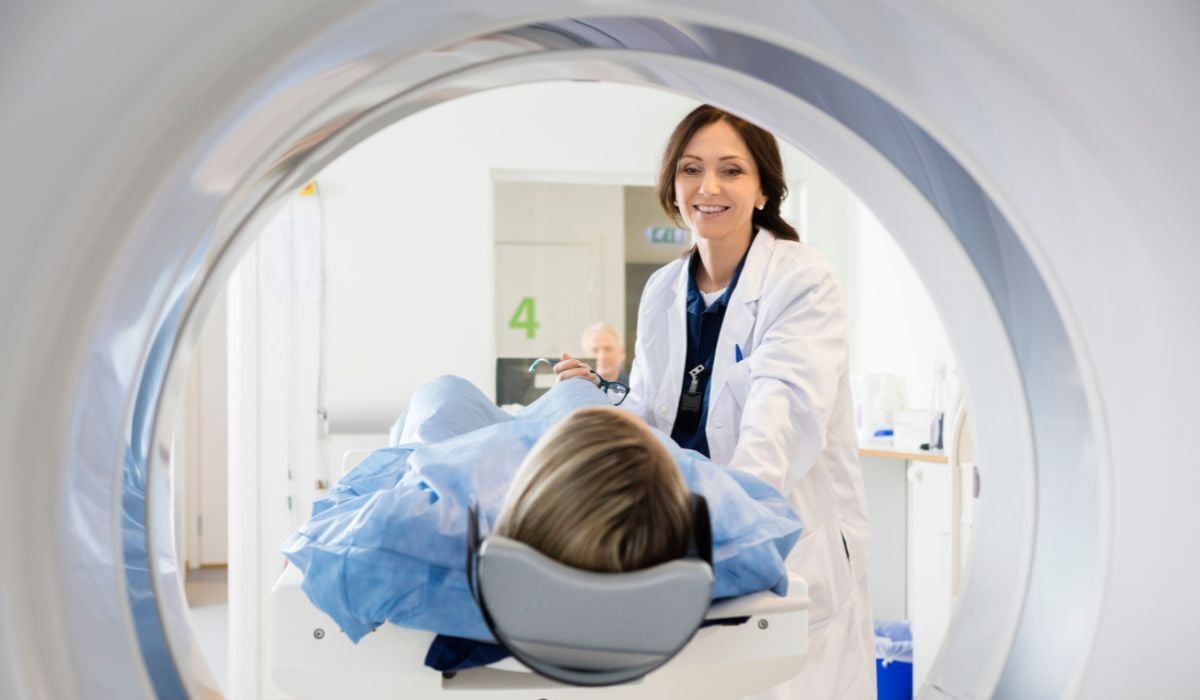
The standard test for screening lung cancer is a low-dose CT scan (LDCT), which takes multiple, detailed images of the inside of the body using low-dose radiation. This type of scan is more advanced than traditional X-rays and allows for earlier detection of potential issues, such as tumors.
Low-dose lung CT scans are quick, safe, and painless. They are performed as outpatient procedures since they are noninvasive and do not require anesthesia or surgery.
Who Can Be Screened for Lung Cancer?
Lung cancer screening is for those who are at the highest risk of developing it. According to the US Preventive Services Task Force (USPSTF), annual screening with a low-dose CT scan is currently recommended for people:
- Ages 50 to 80 years old, and
- Who have a 20 pack-year smoking history (1 pack a day for 20 years, or 2 packs a day for 10 years), and
- Who still smoke, or have quit within the past 15 years
"People who have had heavy exposure to second-hand smoke or who work in certain industrial settings may also be at risk for lung cancer, although they are not formally candidates for screening," says Dr. Jared Kobulnicky, MD, a medical oncologist and hematologist with Virginia Oncology Associates.
Discuss your eligibility for lung cancer screening based on the criteria mentioned above with your primary care doctor. Most insurance plans, including Medicare, cover lung cancer screening.
The Benefits of Lung Cancer Screening
The primary benefit of lung cancer screening is the early detection of tumors, which increases the chances of surviving lung cancer. When identified at an early stage, treatment can start promptly instead of waiting until the cancer has advanced, making it more difficult to treat. Early intervention may also lead to fewer overall treatments.
Regarding screening, “It’s a very important discussion to have with your primary care physician,” Dr. Kobulnicky notes. “Treatment options have improved tremendously for all stages of lung cancer, so we’d really like to increase the utilization of this effective screening tool.”
What Are the Risks Associated With Lung Cancer Screening?
While early detection is a benefit of lung cancer screening, especially since it is easier to treat in the early stages, there are some potential risks to consider before deciding if lung cancer screening is right for you. Here are some risks associated with lung cancer screening:
- Inaccurate test results. Although screening can improve patient outcomes, remember that no medical test is perfect. Like other medical tests, it is possible to receive a "false positive" or a "false negative" result.
A “false positive” means your lungs appear abnormal even though they are clear of cancer, potentially causing unnecessary stress and concern. More than likely you’ll have some follow-up tests that wouldn’t have been ordered otherwise.
According to the American Lung Association, about 10-14% of lung cancer screenings produce a false positive result. This is about the same rate as false-positive mammograms. It’s less common to have a “false negative” result, suggesting your lungs are normal even when lung cancer is present.
- Excessive radiation exposure. Lung cancer screening uses low levels of radiation. However, repeated screening can result in overexposure, which could increase your cancer risk. While the benefits of screening typically outweigh these risks for most people, you should consider discussing any concerns with your doctor, especially if you have a history of receiving radiation therapy.
Because of these risks, lung cancer screening is generally recommended only for adults who are at high risk of developing the disease. It is also most beneficial for those who can undergo lung cancer treatment, such as surgery, chemotherapy, immunotherapy, targeted therapy, or radiation therapy if a tumor is detected.
“We’re able to help many more patients than we could in the past, and that progress is only going to continue in the future,” Dr. Kobulnicky says. “We have a huge opportunity to save more lives.”
Consult your doctor about your lung cancer risk and screening options. They can help you make the right decision for your situation.
My Screening Detected Something Suspicious: What Now?
Remember, screening is just a tool for detecting lung cancer, not diagnosing it. If your screening results show abnormalities, your doctor will likely recommend a biopsy as the next step. While several tests can indicate the presence of cancer, a biopsy is the only way to confirm it. If the biopsy does confirm cancer, you will be referred to a medical oncologist, who will run more diagnostic tests to determine the type of lung cancer and its stage.
As for longtime tobacco smokers who may feel it’s too late to reduce their risk of lung cancer, research has shown that quitting at any point can help. And while more studies need to be done on vaping, a habit that has exploded in younger populations, physicians suspect that it will also prove to be a risk factor for lung cancer.
Read our blog: What Does the Great American Smokeout Have to Do with Lung Cancer Risk?
Lung Cancer Care Specialists at Virginia Oncology Associates
If you were diagnosed with lung cancer after screening and biopsy, our lung cancer doctors can assist with developing a treatment plan tailored to you, close to home. Our cancer centers are throughout Virginia and Eastern North Carolina, including Chesapeake, Elizabeth City, Newport News, Norfolk, Suffolk (Obici and Harbour View), Virginia Beach, and Williamsburg.